Leave A Message
If you are interested in our products and want to know more details,please leave a message here,we will reply you as soon as we can.


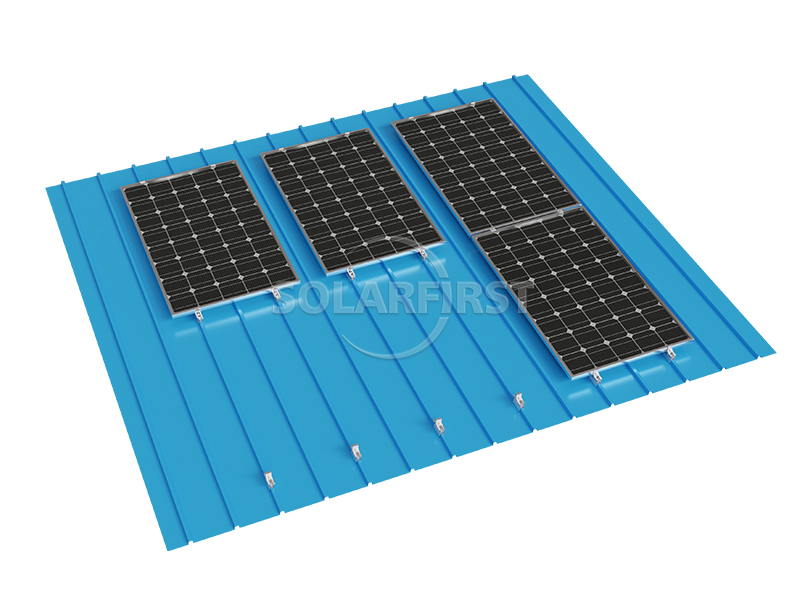
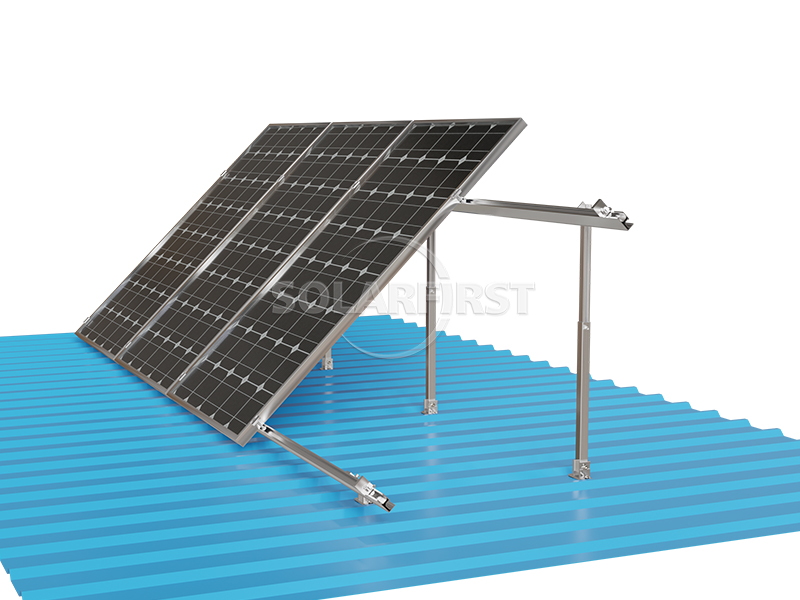
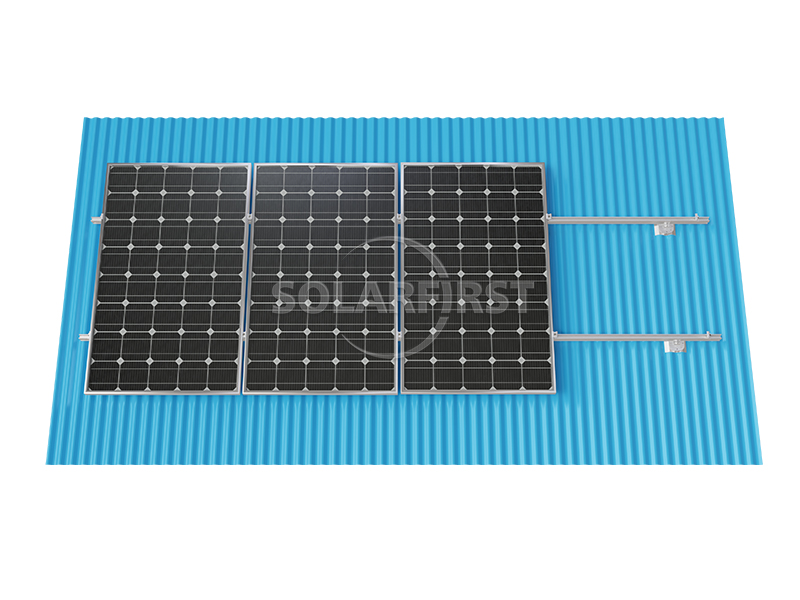
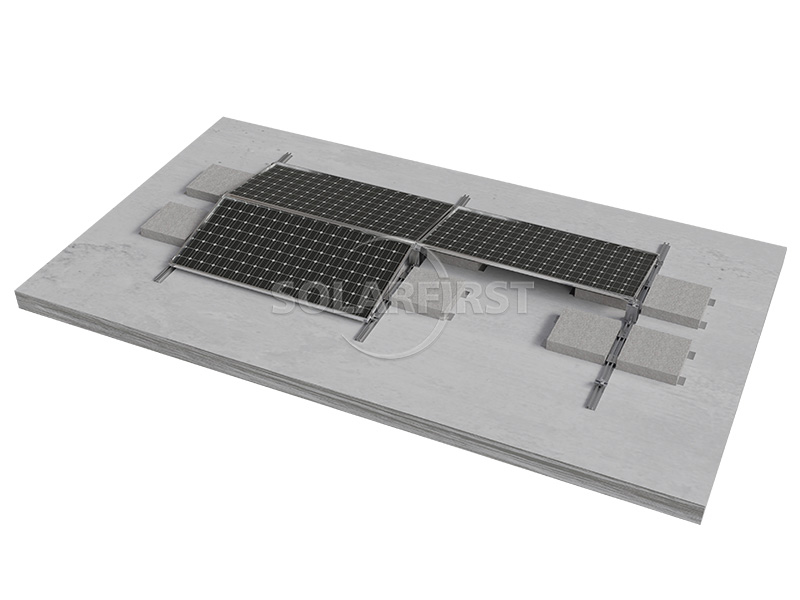
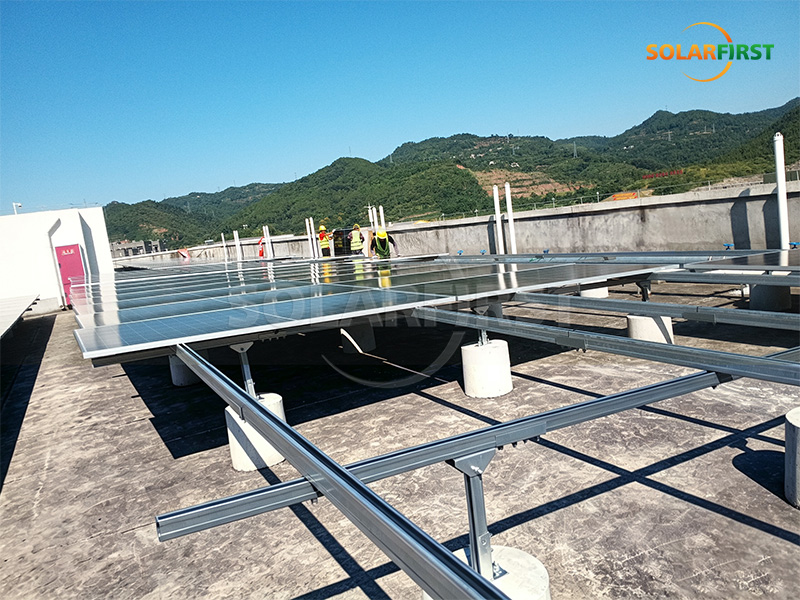
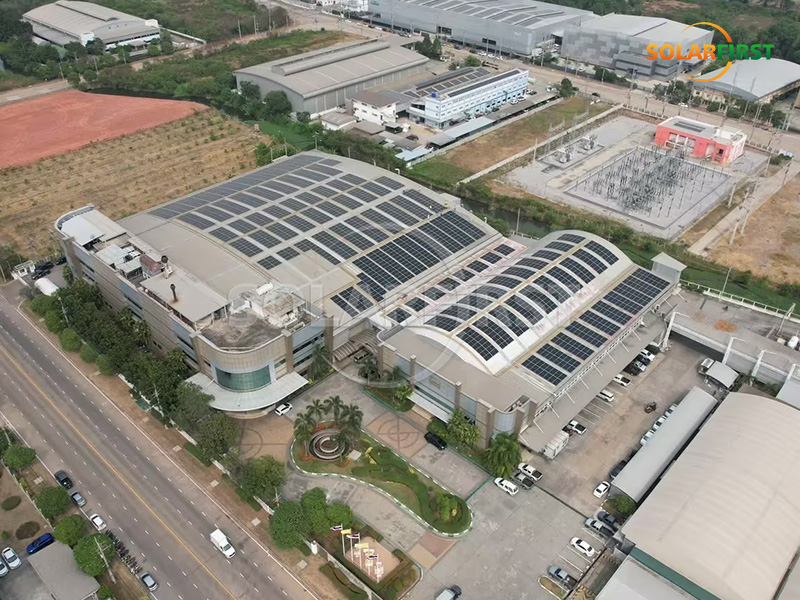
Rooftop photovoltaic (PV) mounting system are the core structural system installed on building roofs to fix and support PV modules.
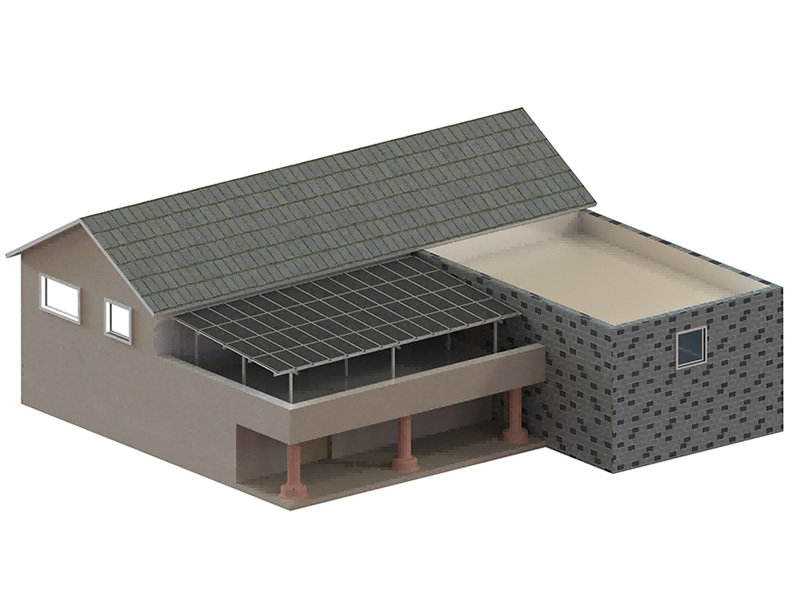
Based on roof type, they are usually divided into flat roof mounting system (often using concrete counterweight foundations to avoid damaging the waterproofing layer) and pitched roof mounting system (fixed to the structure under roof tiles or on corrugated steel sheets by hooks or clamps). Based on materials, they commonly use carbon steel or aluminum alloy.
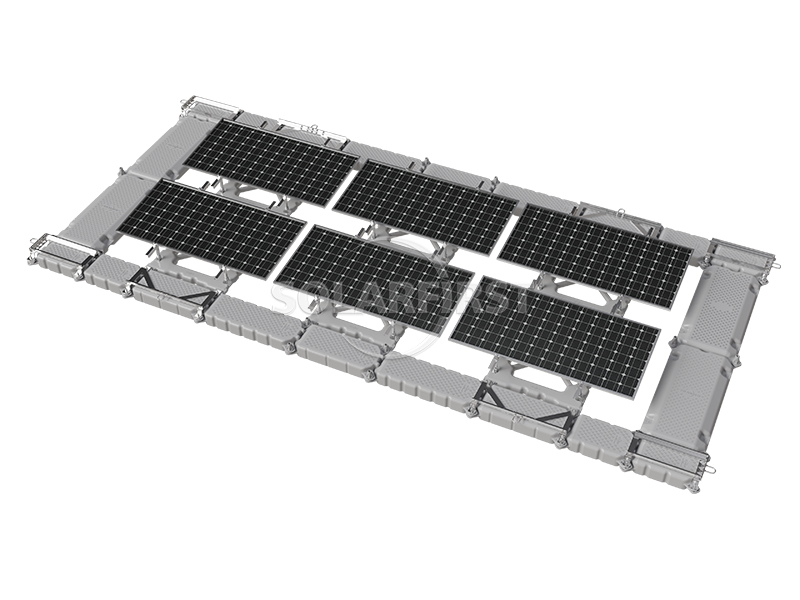
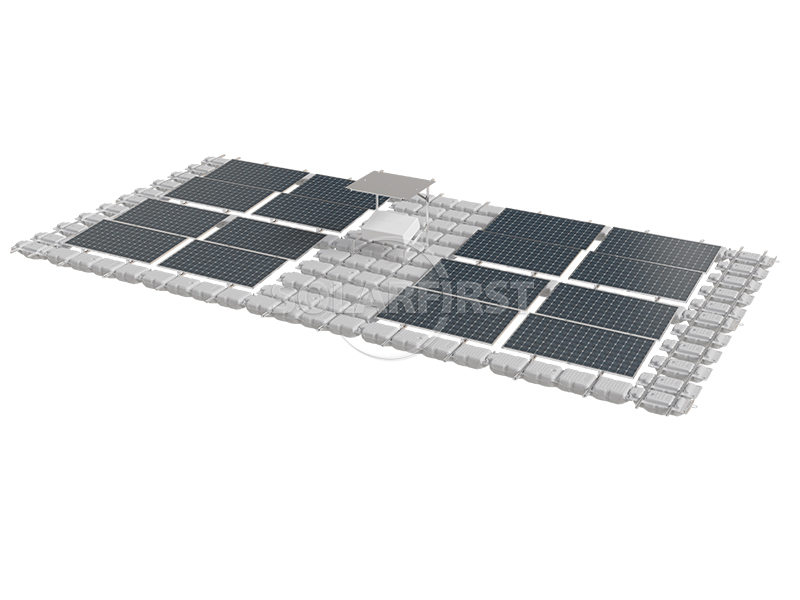
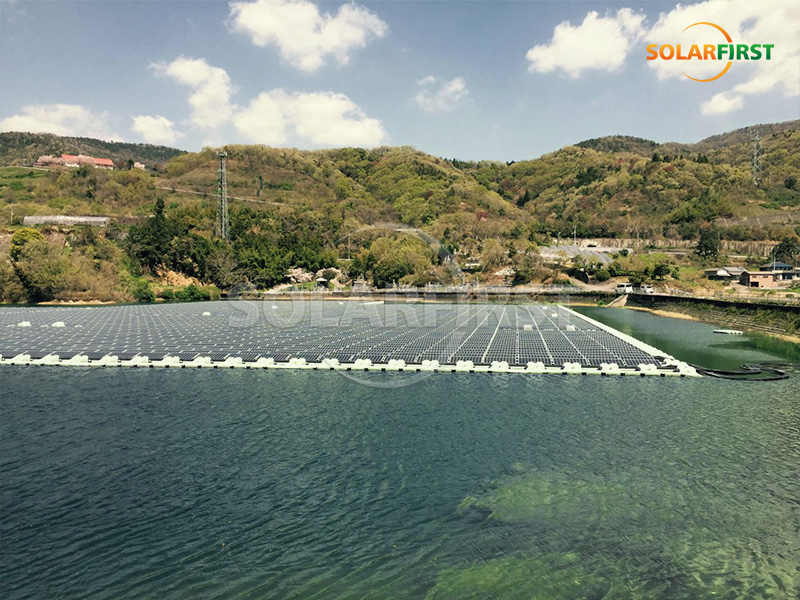
Floating photovoltaic (PV) mounting systems help to install modules on the water surface (such as lakes, reservoirs, and ponds) to generate electricity. They mainly consist of high-density polyethylene (HDPE) floats, brackets for solar modules, brackets for inverters, and anchoring system. They are suitable for waters with considerable depth where piling is not feasible.
The floating PV saves land resources. The cooling effect of the water can improve power generation efficiency by approximately 10% ~ 20%. The surface coverage can reduce evaporation by up to 70% and inhibit algae growth. The HDPE material is safe to contact drinking water.
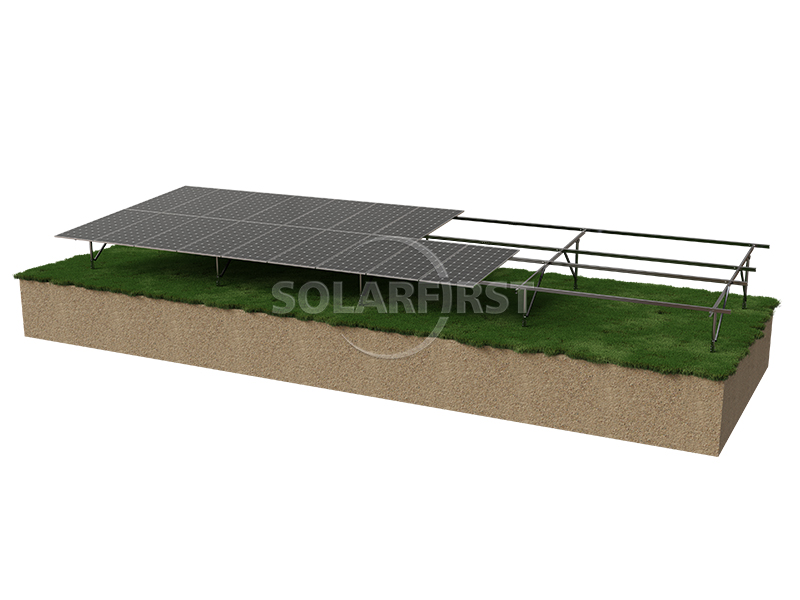
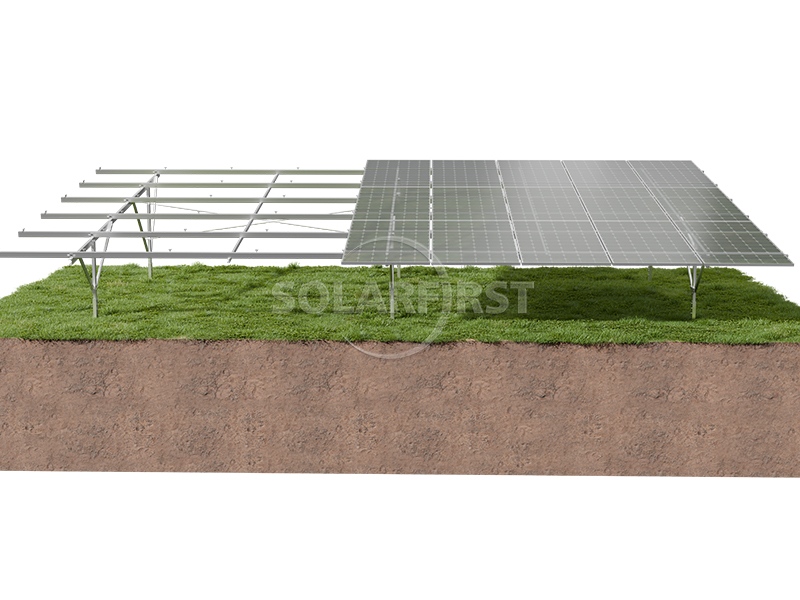
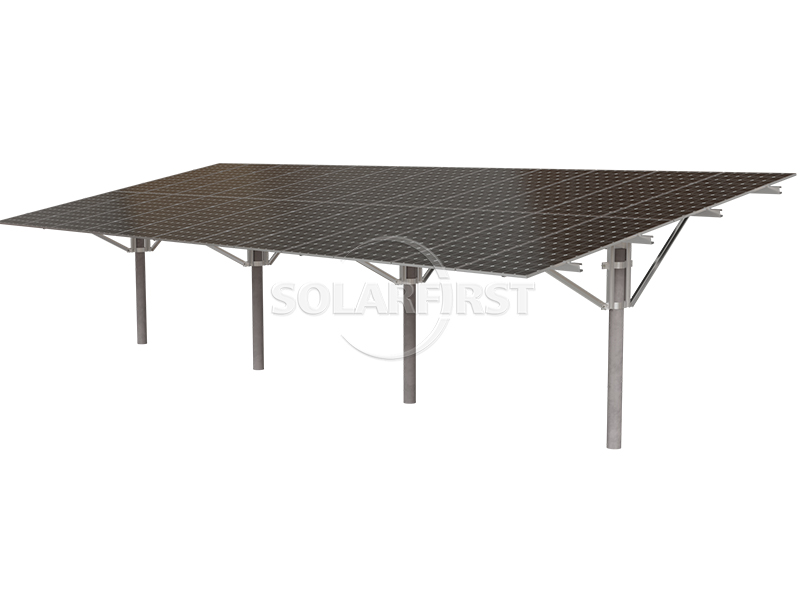
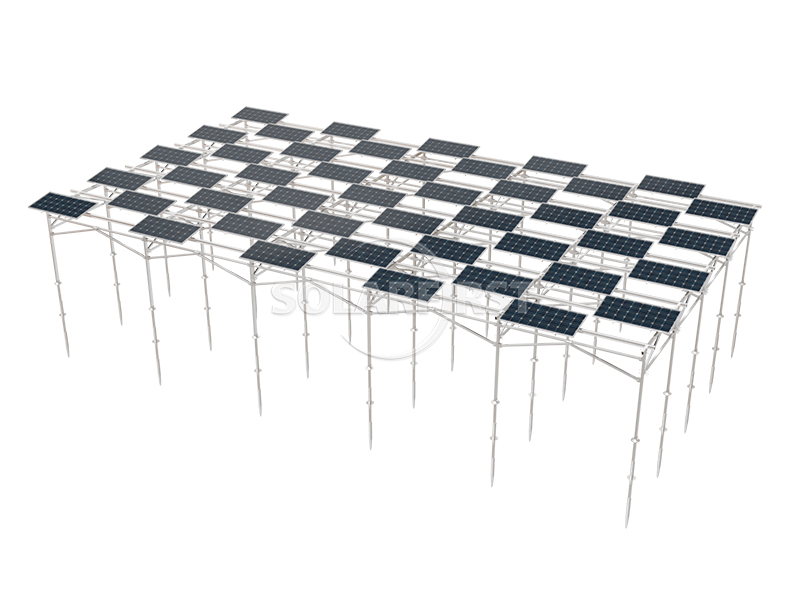
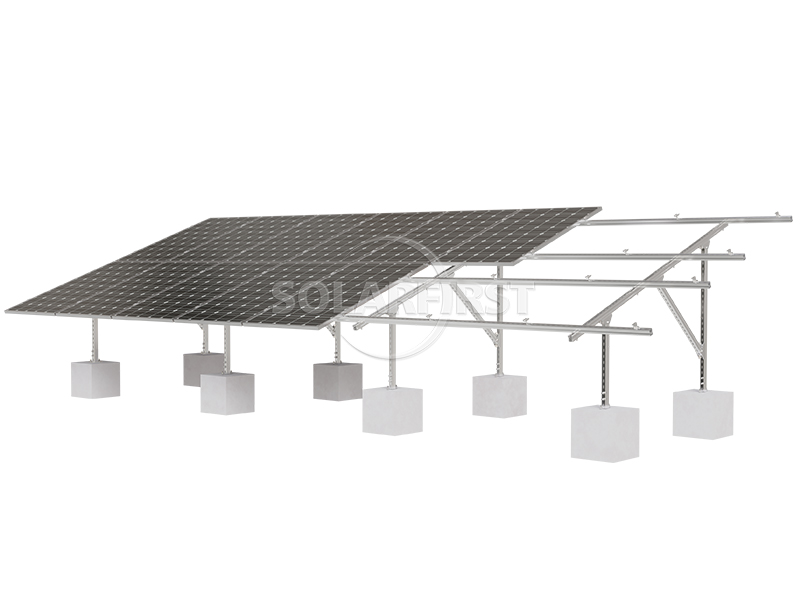
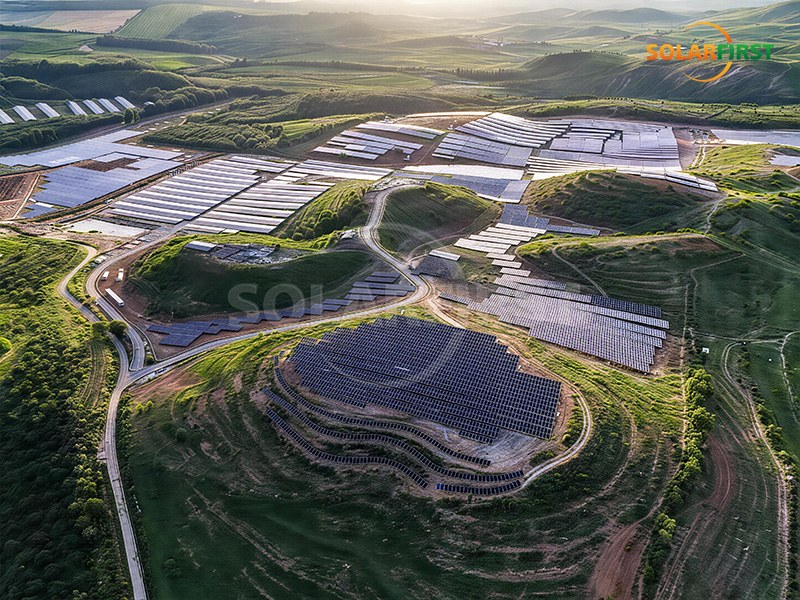
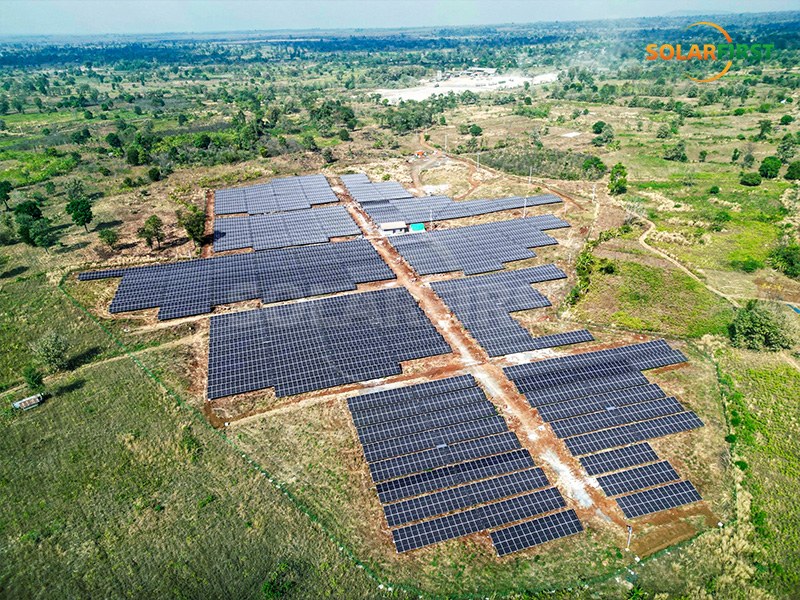
The ground mounting structures are supporting systems installed on the ground foundation and used to fix and bear the photovoltaic (PV) modules. They are essential component of solar farms to ensure the power generation efficiency and safety.
The foundation types include ground screw pile, spun pile, ramming pile, concrete block and cast-in-place foundation.
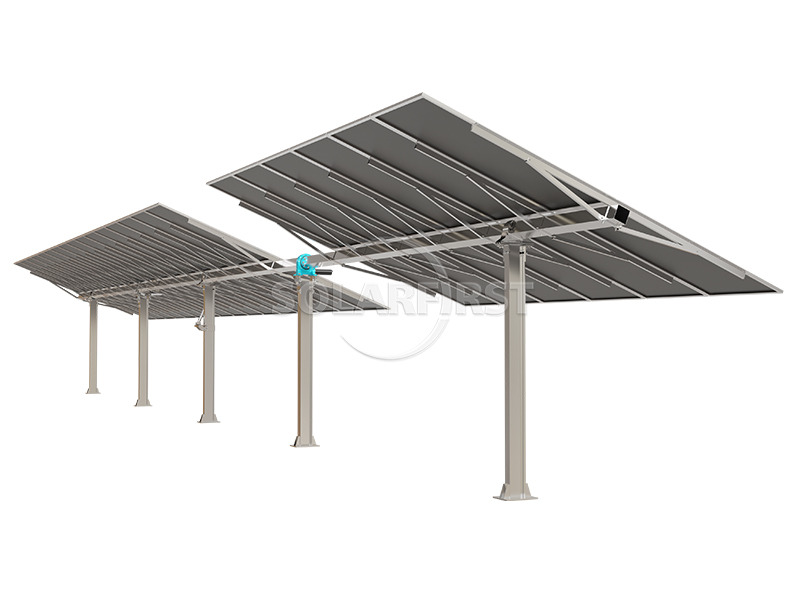
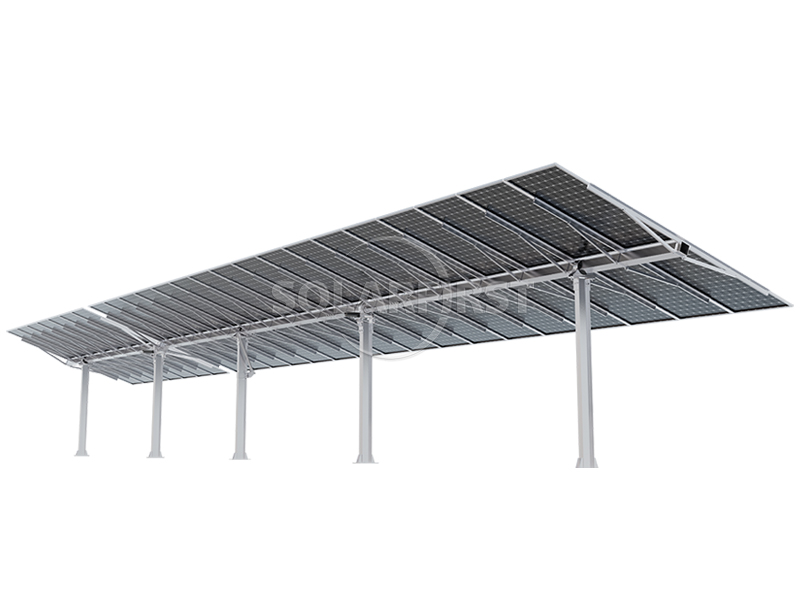
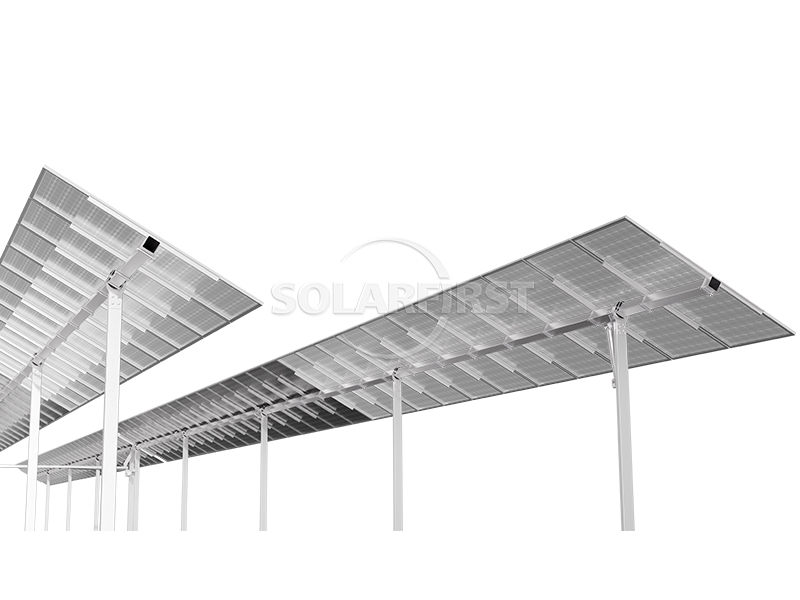
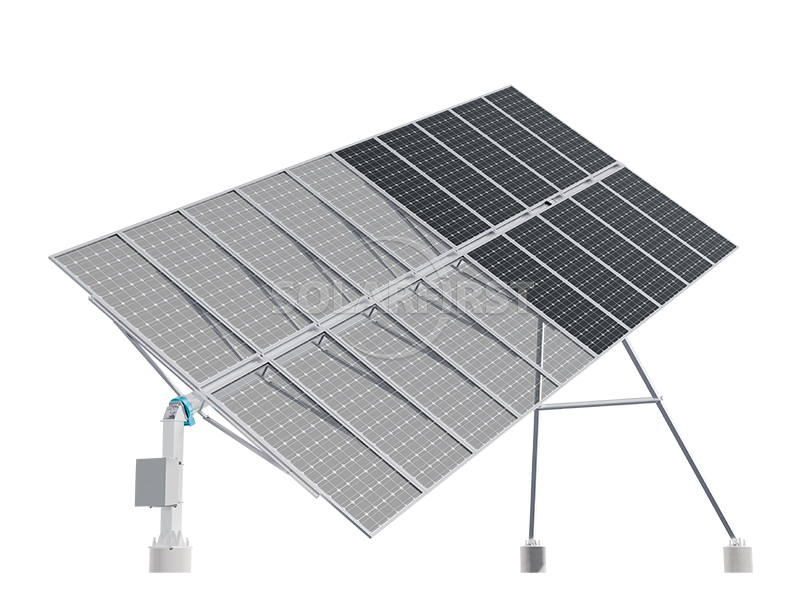
Solar tracking systems effectively improve irradiance reception efficiency and power generation by driving photovoltaic modules to follow the sun's position in real time. They are mainly divided into three types: horizontal single-axis (high cost-effectiveness, simple structure), tilted single-axis, and dual-axis (all-angle tracking, higher gain).
Compared to fixed mounting, they can typically increase power generation by 10% to 40%. The system integrates key technologies such as intelligent tracking algorithms, independent or multiple controls, slewing drive, and automatic protection under different weather and maintenance conditions.
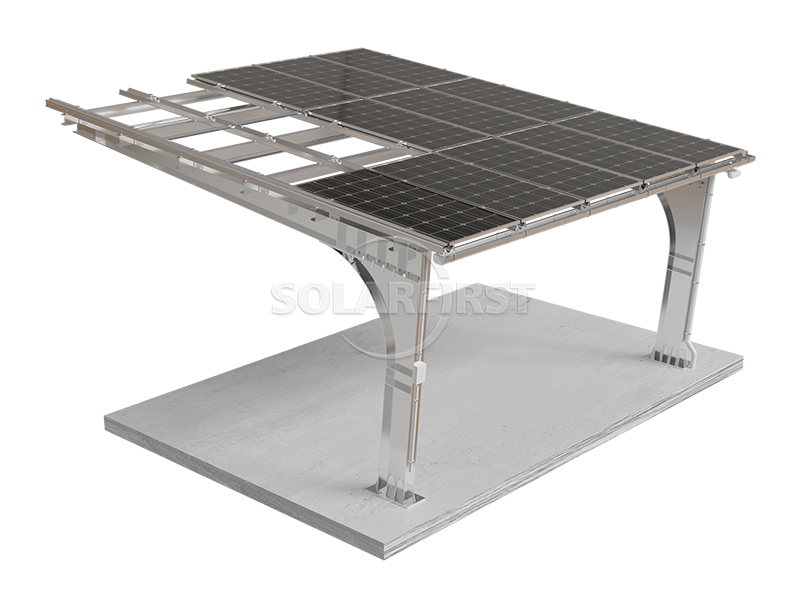
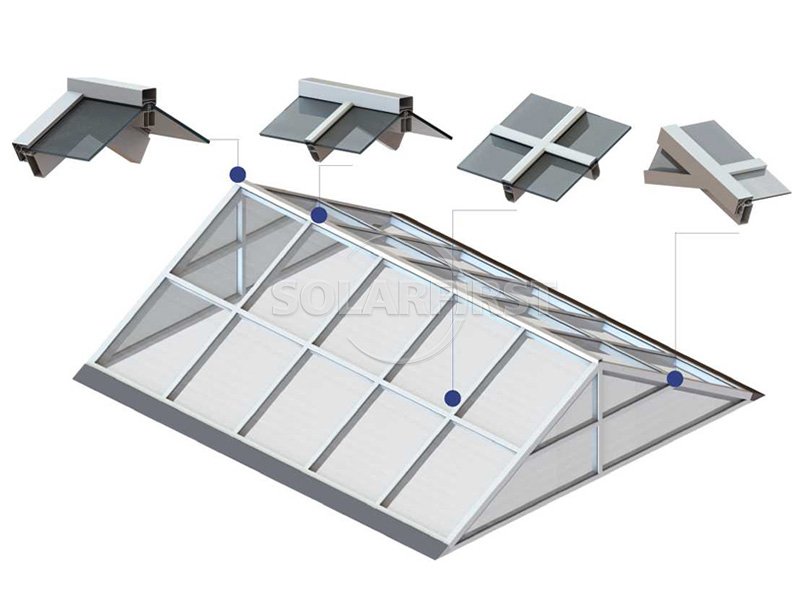
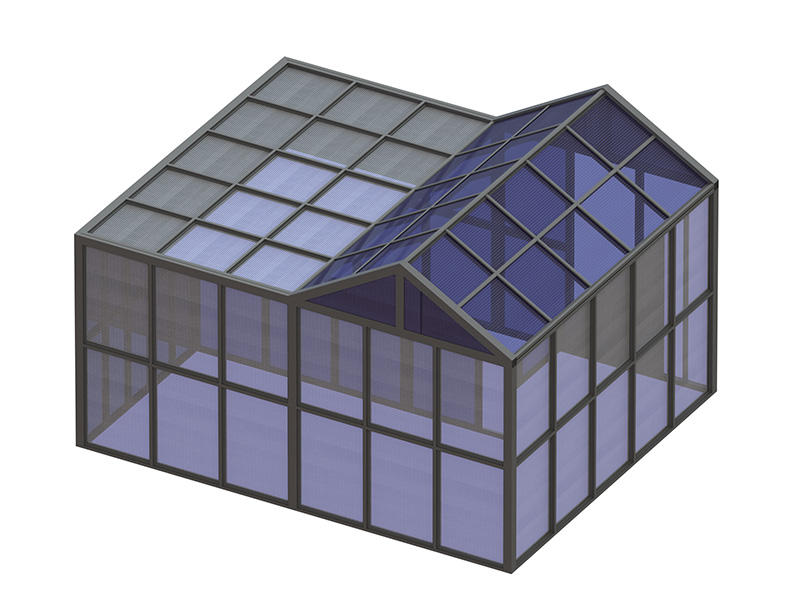
The Building Integrated Photovoltaics (BIPV) use photovoltaic modules directly as building materials, as such roof, curtain wall, waterproof shed, sunroom.
BIPV solution achieves a deep integration of power generation, building materials and aesthetics, thereby transforming the building from an energy consumer into a producer.
Solar First Group has been focusing on solar mounting structures (Fixed Mounting Structure, Trackers, Floating) and BIPV solution, space truss structures, building structures and grating structures. Its sales network covers all over China and all major regions worldwide, including Southeast Asia, Europe, the Middle East, East Asia, Africa and Latin America.


Solar First obtained ISO9001/14001/45001 system certification, 6 invention patents, more than 60 utility model patents, 2 software copyrights, and has rich experience in the design and manufacture of renewable energy products. Solar First is also a "Chinese National High-Tech Enterprise", "Small Technology Giant", "Contract-Abiding and Credit-Worthy Enterprise", "Industrial Enterprise Above Designated Size in Xiamen", "Small and Medium-Sized Technology-Based Enterprise" and "Class A Enterprise in Tax Credit", which researches, develop, manufactures and sells renewable energy products.


 November 20. 2026
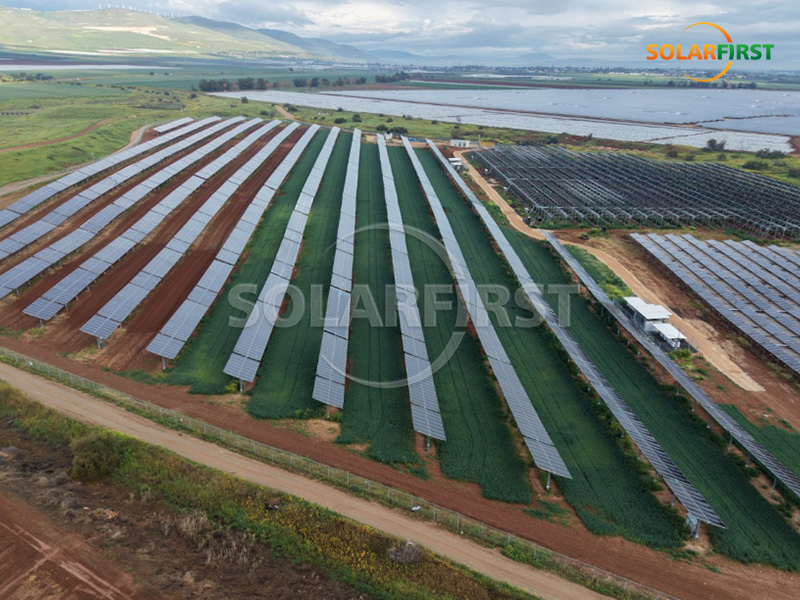
I. Project Overview Project Background This project is located in Israel, with an installed capacity of 4.5 MWp and a horizontal single-axis tracker (HSAT) system. Construction is scheduled from July 2025 to March 2026. Positioned as a typical “PV + Agriculture” horizontal single-axis tracking application, the project enables the shared use of land for solar power generation and wheat cultivation without occupying arable land, aligning with Israel’s philosophy of efficient land use. Project Requirements The client’s core requirements include: (1)The tracker layout must reserve space for agricultural cultivation and enable synergy between power generation and agriculture; (2)The tracker power supply and communication must meet local regulatory requirements for safety and reliability, without relying on the PV array or the national grid and without wireless communication; (3)The foundation type and structural design must adapt to site conditions and ensure long-term stable operation of the tracker system. II. Project Challenges Agri-PV Synergy Challenge under Land Resource Constraints Israel has limited arable land resources, so the project must preserve agricultural cultivation functions while generating electricity. If trackers are laid out too densely, they will crowd crop growth space and affect agricultural machinery access and light availability. How to achieve the dual goals of “power generation + cultivation” on limited land is the core challenge of layout design. Stringent Local Regulations on System Independence and Reliability Israel has clear specifications for tracker power supply and communication: power must not be drawn from the PV array or the national grid, and communication must not rely on wireless methods such as WiFi. This means the project must be equipped with an independent power supply system and adopt wired communication, and the overall solution must pass safety and reliability validation. Adaptation Challenge of Tracker Foundations and Structures in Agricultural Environments All-steel trackers must operate long-term in an agricultural cultivation environment. The foundation type must ensure load-bearing stability while minimizing impact on the topsoil. Tracker spacing and mounting height must also balance wheat cultivation, field operations, and equipment maintenance, placing high requirements on overall structural compatibility. III. Solutions Agri-PV Layout: All-Steel Trackers + Steel Pile Foundations + Wide Spacing The project adopts all-steel horizontal single-axis trackers with steel pile foundations. A relatively large spacing is set between tracker rows, and wheat is planted in the inter-row areas. This layout ensures normal tracker operation while reserving space for crop growth and agricultural operations, enabling land sharing between PV generation and wheat cultivation. Independent Power Supply and Wired Communication: Meeting Local Regulatory Requirements The tracking system is powered by an independent system built by the client; it does not draw power from the PV array or the national grid. Communication is strictly conducted via wired means, without the use of wireless communication such as Wi-Fi. This design ensures the system’s independence and reliability in both power supply and communication, meeting with local Israeli regulations regarding safety and reliability. Structural and Foundation Adaptation: Balancing Stability and Agricultural Friendliness The combination of all-steel trackers and steel pile foundations is simple in structure and reliable in load bearing. Steel pile foundations adapt to site conditions, reduce large-scale earthworks, and minimize impact on agricultural cultivation. The overall solution coordinates the tracker system and crop cultivation at a 4.5 MWp capacity. IV. Project Value Agri-PV Synergy Unlocks Composite Land-Use Value Project construction is proceeding steadily according to the schedule from July 2025 to March 2026. Upon completion, the 4.5 MWp single-axis tracking system will generate clean electricity without occupying arable land, while wheat cultivation in the central area will enable multi-purpose land use, creating dual benefits of “power generation + agriculture” and providing a model for efficient land utilization in regions with scarce land resources. Compliant Design Creates Value for Demonstration and Promotion Featuring targeted designs such as independent power supply, wired communication, and steel pile foundations, the project meets Israeli technical specifications and regulatory requirements, providing a practical engineering model for local “PV + agriculture” single-axis tracking applications. By spacing out trackers to create room for crops and ensuring reliable tracking, power supply, and communication through an independent system, the project serves as a valuable reference for regions with strict regulations and limited land resources.
Read More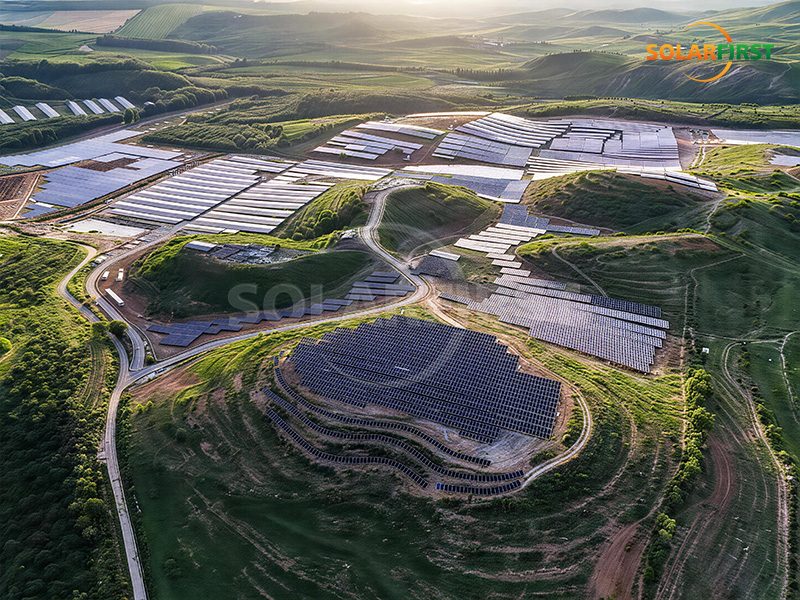 October 22. 2026
I. Project Overview Project Background As the global energy structure accelerates its transition toward green and low-carbon development, Malaysia continues to promote renewable energy development and actively expand solar power applications. As an important part of clean energy construction, ground-mounted PV projects are gradually extending into complex terrain areas, placing higher requirements on the terrain adaptability, foundation construction efficiency, and environmental friendliness of solar module mounting systems. Solar First Group participated in the construction of the 21.47 MWp ground-mounted solar module mounting system project in Malaysia. The project adopts a carbon steel ground-mounted solar module mounting system and helical pile foundations. In the face of complex construction conditions such as undulating mountainous terrain, hard soil, and subsurface gravel, the project effectively adapts to different slopes and terrain variations through customized mounting system design and differentiated array layout. While ensuring the installation adaptability of the solar module mounting system, it minimizes on-site earthwork, providing an efficient and flexible solution for PV project construction in complex mountainous environments. Project Requirements The site has complex terrain, with a maximum slope of 20°, and some areas are distributed in stepped forms. The site soil is relatively hard and contains subsurface gravel. Conventional site leveling and foundation construction methods tend to increase earthwork volume and construction difficulty. The core requirement of the project is to reasonably configure the solar module mounting system and foundation system while adapting to complex mountainous terrain, reduce large-scale site leveling and earthwork excavation, minimize disturbance to the original terrain and natural environment, and balance the flexibility of mounting system installation with on-site construction feasibility. II. Project Challenges 1. Large terrain slope variations make uniform layout difficult The site has a maximum slope of 20°, with gentle slopes, steep slopes, and stepped slopes alternating across the area. Installation elevations and array layout conditions differ significantly from one zone to another. If a uniform elevation and standardized array were adopted, on-site adaptability would be insufficient, increasing local adjustment and site treatment workloads. 2. Hard soil and subsurface gravel increase foundation construction difficulty The site soil is relatively hard and contains subsurface gravel. Conventional foundation types are constrained in terms of hole drilling, excavation, and construction efficiency. The foundation solution needs to match the site geological conditions and reduce reliance on extensive excavation and concrete construction. 3. High requirements for earthwork control and ecological disturbance mitigation The mountainous terrain is undulating. Large-scale slope cutting, filling, and site leveling would involve considerable earthwork and cause significant disturbance to the original landform and natural environment. The project therefore imposes strict constraints on reducing earthwork and protecting the original ecological environment. III. Solutions In response to the site terrain and geological conditions, Solar First Group adopts a combined solution of an adjustable ground-mounted solar module mounting system, helical pile foundations, and a zoned array layout, replacing large-scale site leveling with slope-adaptive layout and local adjustments. 1. Adjustable solar module mounting system and 2P/1P zoned layout The post height and installation angle of the solar module mounting system are adjusted by slope zone so that the array follows the terrain. In gentle and steep slope areas, a vertical 2P configuration is adopted to improve slope utilization efficiency; on the step surfaces of stepped slopes, a 1P configuration is adopted to facilitate local avoidance and flexible layout. The combination of 2P and 1P enables differentiated layout for different terrain units. 2. Helical pile foundations and construction adaptation in hard soil and gravel sections The ground-mounted solar module mounting system uses helical pile point foundations, reducing extensive concrete foundation construction. Before construction, test piles and site geological conditions are used to determine the screw-in process. In hard soil and gravel areas, measures such as adjusting pile locations to avoid obstacles, local pre-drilling, or adjusting pile positions are adopted to ensure foundation construction feasibility. 3. Slope-adaptive layout and local adjustments to control earthwork volume The slope-adaptive layout of the solar module mounting system, zoned arrays, and point foundations reduce overall slope cutting, filling, and site leveling. Local adjustments are made only in areas with insufficient installation conditions, together with measures such as topsoil protection and drainage arrangement, to reduce construction disturbance to the original landform and natural environment. IV. Project Value The 21.47 MWp solar module mounting system project for mountainous terrain in Malaysia fully demonstrates Solar First Group’s capability to provide customized solar module mounting system solutions for complex terrain. Facing multiple challenges such as slopes of up to 20°, hard soil, subsurface gravel, and stepped slope surfaces, the project combined helical pile foundations, adjustable solar module mounting system design, and differentiated vertical 2P and 1P layouts, achieving effective integration of the mounting system solution with on-site terrain conditions. With core advantages of flexible adaptation to complex terrain, reduced earthwork, and lower disturbance to the natural environment, the solution reduces reliance on large-scale site leveling and provides a more flexible construction approach for mountainous PV projects. Solar First Group will continue to develop solar module mounting system technologies and system solutions. With a site-specific design philosophy and flexible product configurations, it will facilitate the efficient construction of global PV projects and promote the coordinated development of green energy development and natural environmental protection.
Read More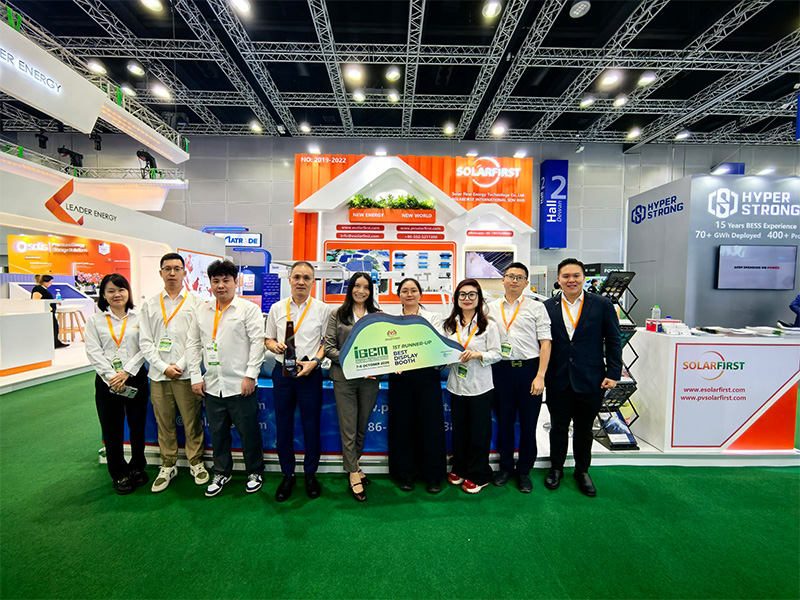 October 09. 2026
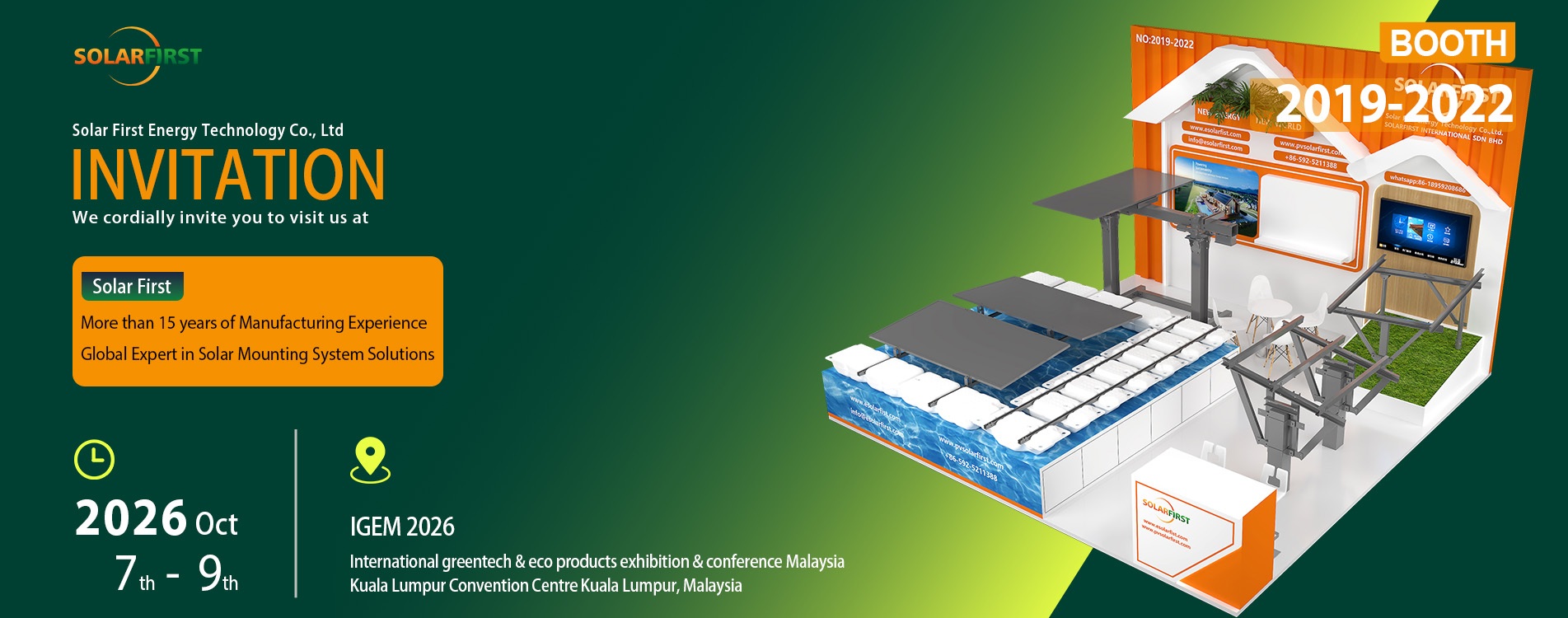
On October 7-9, the International Greentech & Eco Products Exhibition & Conference Malaysia (IGEM 2026) is being held at the Kuala Lumpur Convention Centre. During the exhibition, Solar First Group showcased products such as floating PV system, the HORIZON D+ intelligent tracking system, ground mounting structure and roof mounting structure etc. at booth 2019-2022. With its highly reliable and adaptable PV mounting solutions, the company attracted numerous customers from Malaysia and Southeast Asia for engagement and discussion. Focusing on renewable energy, green building, environmental technology, and sustainable development, the event brings together policymakers, project developers, technology providers, and industry experts, creating an efficient platform for business collaboration within the Malaysian and ASEAN markets. Full-Scenario Mounting Solutions, Precisely Tailored to Malaysia's Diverse PV Scenarios At this exhibition, Solar First Group focused on showcasing its comprehensive range of mounting solutions covering floating (water-based), ground and rooftop applications. Designed for the Malaysian context—characterized by abundant water resources and limited land availability—floating photovoltaic system utilizes highly weather-resistant floaters and a reliable anchoring design, making it suitable for various water scenarios such as reservoirs, lakes, and former mining ponds etc. The system features a simple rail and front/rear support structure that ensures quick and efficient installation; module spacing is flexibly adjustable to accommodate various tilt angle requirements, and cable routing can be customized based on site layout. It supports multiple anchoring solutions, including underwater piles, concrete piles, and shore anchors. The U-steel connector employs a hinged design that effectively dissipates environmental loads—such as wind and wave forces—thereby enhancing the system's overall stability. Certified by third-party institutions, the system offers exceptional floater strength and reliability, ensuring the long-term, stable operation of the floating solar plant. HORIZON D+ Intelligent Tracking System is a multi-point driven horizontal single-axis tracking system for large ground-mounted solar plants, introduced by Solar First Group. Adopting a 2P electrical multi-drive solution, the system upgrades from single-point drive to multi-point drive, significantly enhancing system torsional resistance and critical wind speed, while effectively reducing pile foundation costs. It is capable of effectively addressing the challenges posed by strong winds in Malaysia's tropical climate. Through closed-loop time control and GPS tracking modes, the system intelligently and promptly optimizes tracking angles with an accuracy of less than 2 degrees. The system is compatible with most mainstream photovoltaic modules and can flexibly match design requirements for solar plants of different scales. In terms of adaptability, HORIZON D+ can accommodate continuously undulating and irregular terrains, meeting the design requirement of a 15% slope in the north-south direction. The system employs one-to-one independent control, enabling real-time monitoring of the bracket operation status, timely detection of fault points, and reduction of power generation losses. It supports automatic reset at night, automatic reset in high winds, and reverse tracking functions, further ensuring system safety and power generation efficiency. The product features excellent long-term corrosion resistance and offers foundation type options including PHC piles, cast-in-place piles, or steel piles, adapting to various geological conditions in Malaysia. The roof mounting structure offers a diverse range of products tailored to the mainstream roof types in Malaysia's commercial, industrial, and distributed photovoltaic (PV) markets. These include metallic roof clamps, tile roof hooks, concrete flat roof ballast systems, BIPV (Building-Integrated Photovoltaics) structures, along with walkways. They meet the PV installation needs of various building structures. Solar First Group's roof mounting products comply with Malaysia's roof waterproofing requirements, ensuring waterproof performance after installation on multiple roof types such as metallic roofs, tile roofs, and concrete flat roofs. The installation is convenient and efficient. The BIPV structures integrate PV modules with building roofs, combining power generation functionality with architectural aesthetics. The walkways provide a safe maintenance channel for rooftop PV power stations, enhancing the convenience of daily inspections and maintenance. The ground mounting structure encompasses both PHC (Prestressed High-strength Concrete) pile solution and slope-adjustable mount solution, offering flexible adaptability to the diverse geological and topographical conditions found in Malaysia. The PHC pile solution utilizes prestressed high-strength concrete piles instead of traditional concrete foundations; offering high load-bearing capacity and corrosion resistance, it is particularly well-suited for soft soil foundations—such as marshlands and coastal mudflats—as well as fishery-PV complementary projects. The slope-adjustable mount solution features two foundation options—screw piles and C-steel piles—and is specifically designed for undulating or irregular terrain; it enables flexible, efficient installation, thereby effectively reducing construction costs. By employing high-strength materials and an optimized structural design, the system ensures structural stability while allowing for flexible configuration based on specific project requirements, providing reliable support for utility-scale photovoltaic projects. Malaysia's Energy Transition Accelerates, Unleashing Sustained Demand for Multi-Scenario Mounting Solutions The Malaysian government is driving the development of renewable energy through policy frameworks such as the National Energy Transition Roadmap (NETR) and the Large-Scale Solar (LSS) program, aiming for renewables to account for 70% of total power generation by 2050. Recently, the Ministry of Energy Transition and Water Transformation (PETRA) launched the tender process for the LSS program, seeking to advance the development of various photovoltaic projects—including rooftop, ground, and floating structures—with capacities ranging from 10 MW to 500 MW. In the rooftop PV sector, the Solar Accelerated Transition Action Plan (Solar ATAP), which officially took effect on January 1, 2026, has further accelerated the adoption of rooftop PV projects. The ATAP programme allows factories to install rooftop PV systems sized to match their own maximum electricity demand, with a capacity limit of up to 100%. The government has also introduced the SuRIA Home programme, offering households that install Solar ATAP systems a cash rebate of up to RM600 per kW, expected to benefit 45,000 to 50,000 households. Malaysia has approximately 410,000 buildings with a rooftop solar market potential exceeding 3.5 GW. In the floating PV and PV ground power plant sectors, Malaysia is rich in water resources, and floating PV has been included in the LSS tender scope, marking a shift from technical validation to large-scale development. Solar First Group continues to deepen its presence in the Southeast Asian new energy market. With product designs tailored to tropical climates and complex terrains, combined with localized service capabilities, the company provides Malaysian customers with end-to-end mounting solutions spanning from conceptual design to on-site support. Deepen the Market Layout in Southeast Asia and Support the Development of Green Energy in Malaysia During the exhibition, the Solar First Group team engaged in in-depth discussions with EPC contractors, project developers, and industry organizations from Malaysia and neighboring countries, exploring the specific characteristics of local projects, policy trends, and opportunities for collaboration. Leveraging its deep understanding of local regulations and engineering standards, as well as its stable performance in multiple projects across Southeast Asia, Solar First Group has earned the recognition and trust of its clients. IGEM 2026 not only provided a platform for Solar First Group to engage deeply with industry partners in Malaysia and Southeast Asia but also showcased the company’s diverse product portfolio and its capabilities in delivering scenario-specific solutions for full-scenario photovoltaic (PV) mounting systems. Moving forward, Solar First Group remains committed to its brand philosophy of "New Energy, New World." Driven by R&D innovation and backed by robust supply chain and delivery capabilities, the company will continue to refine its products and services, providing highly reliable and adaptable system solutions for PV projects in Malaysia and Southeast Asia, thereby contributing to the region's clean energy transition.
Read More September 30. 2026
From October 7 to 9, 2026, the International greentech & eco products exhibition & conference Malaysia (IGEM 2026) will take place at the Kuala Lumpur Convention Centre. Solar First Group will be exhibiting at Booth 2019-2022, highlighting floating solar systems, the HORIZON D+ Smart Tracking System, ground mounting, and rooftop mounting. These products cover diverse application scenarios—including water surfaces, large-scale ground-mounted power plants, commercial and industrial (C&I) projects, and distributed PV systems—and provide highly reliable and adaptable PV mounting system solutions to facilitate the efficient implementation of clean energy projects in Malaysia and Southeast Asia. IGEM 2026 is a major exhibition in the green technology and eco-product sectors in Malaysia and Southeast Asia. Focusing on renewable energy, green building, environmental protection technologies, and sustainable development, it brings together policymakers, project developers, technology suppliers, and industry experts, providing an efficient platform for corporate exchange and cooperation in the Malaysian and ASEAN markets. To meet the demands of large-scale ground-mounted PV projects in Malaysia, Solar First Group’s HORIZON D+ smart tracking system can flexibly adapt to complex terrain. The system employs a 2P multi-drive electrical configuration, upgrading from single-point to multi-point drive, which significantly enhances the system’s torsional rigidity and critical wind speed while effectively reducing pile foundation costs. Its low-inclination wind-resistant design can withstand extreme winds, adapt to continuous undulations and irregular terrain, and meet design requirements for steep slopes. Additionally, the system supports one-to-one independent control, enabling real-time monitoring of the mounting structure’s operational status to promptly identify faults and minimize power generation losses. By integrating data on varying terrain and real-time weather conditions, it intelligently optimizes tracking angles to further increase power generation. The product has undergone rigorous wind tunnel testing and targeted structural design, resulting in superior overall stability and reliability. As validated by practical application, the system effectively reduces LCOE and improves IRR, significantly enhancing project profitability and full-lifecycle value. Designed to address Malaysia’s abundant water resources and limited land availability, the floating solar system utilizes highly weather-resistant floats and a reliable anchoring design, making it suitable for various aquatic environments such as reservoirs, lakes, and tailings ponds. The system’s rail and front-rear support structures are simple, enabling a convenient and efficient installation process that effectively shortens the construction timeline; module spacing is flexibly adjustable to accommodate different installation angle requirements; cable channels can be flexibly arranged according to on-site layouts to suit various site cabling needs; and the system supports multiple anchoring solutions, including underwater pile anchors, concrete pile anchors, and shore pile anchors. The U-shaped steel connectors feature an articulated design that effectively dissipates environmental loads such as wind and waves, enhancing the system’s overall stability. The product has been tested and certified by a third-party organization, demonstrating excellent float strength and overall reliability, ensuring the long-term stable operation of floating power plants. The ground mount system covers PHC pile solution and adjustable slope mounting solution, flexibly adapting to various geological and topographical conditions in Malaysia. The PHC pile solution replaces traditional concrete foundations with prestressed high-strength concrete piles, offering strong load-bearing capacity and corrosion resistance, making it especially suitable for soft soil foundations (such as swamps, coastal tidal flats, etc.) and fishery solar complementary projects. While the adjustable slope mounting solution offers two foundation types — screw pile and C shaped steel pile — specifically designed for undulating and irregular terrain, featuring flexible and efficient installation that effectively reduces construction costs. Also on display are rooftop mounting systems, covering commercial & industrial and residential distributed PV projects, which together with floating system and ground mount system form a full-scenario solution. Adhering to the philosophy of New Energy, New World, Solar First Group continues to deepen its presence in the Southeast Asian new energy market. With product designs tailored to tropical climates and complex terrain, combined with localized service capabilities, we provide Malaysian customers with end-to end mounting solutions from scheme design to on-site support. We sincerely invite industry partners to visit Solar First Group at Booth 2019-2022 for face-to face exchanges, to discuss new trends and new opportunities in the Malaysian and Southeast Asian PV markets, to explore more possibilities for cooperation. We look forward to gathering with globalpartners in Kuala Lumpur to jointly contribute to the region’s clean energy transition with innovative technologies and reliable solutions. See you in Kuala Lumpur in October!
Read More
 en
 fr
 de
 zh-CN
 ru
 es
 pt
 ja
 ko
 ar